The Day I Thought Hexagon Could Do Everything
It was October 2022. We were setting up a new quality lab—part of a push to bring inspection in-house. The budget was approved, the timeline was tight, and I was the one holding the PO pad.
I needed five things: a CMM, a portable CMM, a thermal imaging camera for electrical panel audits, and two sets of calipers (one for the shop floor, one for the lab). My first thought? Hexagon. They make CMMs. They sell thermal cameras. They even offer calipers. One order, one vendor, one PO. Easy.
Look, I knew Hexagon by reputation. The Hexagon logo on a CMM means precision. I’d spec’d their machines before and never had a problem. So when I found their e-shop (hexagon shop, as I typed it into the search bar) listing everything from the One Gen 3 thermal camera to the E54 advanced model, and even a few caliper brands like Starrett and Mitutoyo, I figured: if they stock it, it must be good.
Spoiler: I was wrong. And it cost me.
The CMM Part Was Fine—Everything Else Wasn't
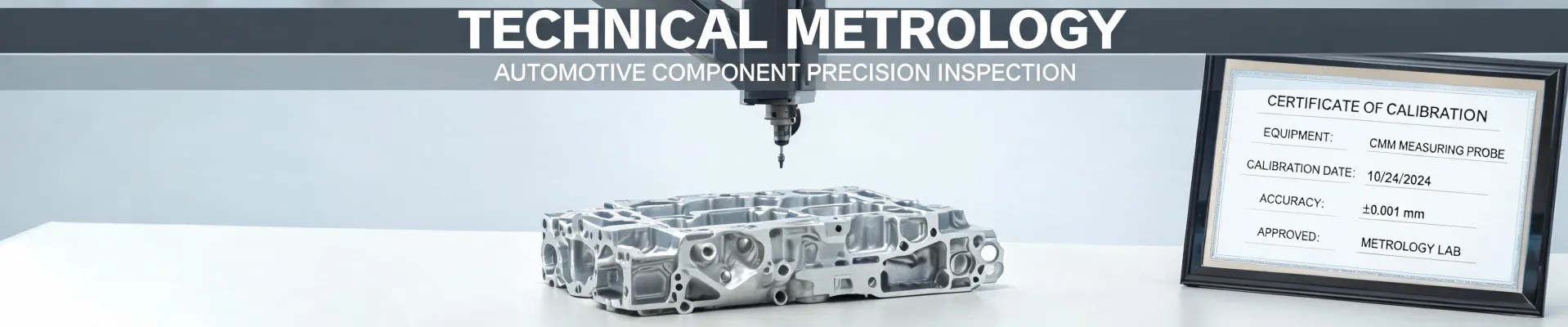
I placed the order in early November. The CMM (a medium-sized bridge machine) arrived on schedule, got installed, and passed calibration within two weeks. No complaints there. That’s Hexagon’s core.
But the thermal camera—the One Gen 3—was a different story. I ordered it because the listing said “thermal imaging camera reviews” gave it 4.5 stars. What I didn’t realize was that those reviews were mostly for consumer use (inspecting windows, finding drafts). For industrial electrical panel scanning? The resolution was too low, the temperature range too narrow. I didn’t catch this until I compared it to a Flir E54 advanced thermal imaging camera a colleague had borrowed.
“The vendor who said 'this isn’t our strength—here’s who does it better' earned my trust for everything else.” — something I now live by
Then the calipers. I went back and forth between Starrett vs Mitutoyo digital calipers for three days. On paper, Starrett had the edge with a slightly wider jaw depth. But my gut said Mitutoyo was the safer choice for lab work. I went with Starrett because… I don’t know, the brand just sounded tougher. They arrived, looked fine, but after a week on the shop floor one unit started showing 0.01 mm drift. I had to send it back. Repair took 10 days. Meanwhile, the Mitutoyo pair we bought as backup never missed a beat.
The Real Cost of Ignoring Specialization
Let me be specific about what went wrong and what it cost:
- Thermal camera return: $480 restocking fee + $75 return shipping. A $1,200 camera that I basically paid $555 to never use.
- Caliper drift issue: $230 for the Starrett pair, plus $45 in shipping for the RMA. We lost 10 days of production inspection—hard to quantify, but annoyed the hell out of our production manager.
- Time wasted researching refunds: At least 6 hours over two weeks. I bill my time as part of the procurement overhead.
Total: roughly $875 in direct losses plus intangible delays. The Hexagon CMM? Zero issues. That part was the right call.
My mistake was assuming the Hexagon logo guaranteed excellence across every product in their shop. It doesn't. They are world-class at coordinate measuring machines, laser trackers, and sensors. But thermal imaging cameras? Those are Flir’s domain. Digital calipers? Mitutoyo and Starrett each have their best fit, but neither is a Hexagon specialty.
Why “We Do Everything” Is a Red Flag (Yes, Even for Big Brands)
Here’s the thing: I don’t blame Hexagon. No vendor can be the best at thirty different instrument categories. What I learned is that professional boundaries matter. A specialist who admits “this isn’t our lane” is more trustworthy than a generalist who says “sure, we can do that.”
Based on my experience—about 50 instrumentation orders over the past 6 years—I now maintain a simple checklist for multi-item purchases:
- Classify each item by core competency. If the vendor’s brand is famous for CMMs, buy the CMM from them. For thermal cameras, buy from Flir/Fluke. For calipers, buy from Mitutoyo or Starrett (depending on your environment).
- Ask the sales rep directly: “Is this your core line, or a resold product?” Most will be honest.
- Read the reviews with context. The One Gen 3 reviews were great for home inspectors, not for industrial thermography.
Disclaimer: My experience is based on mid-size manufacturing labs (aerospace and automotive). If you’re in a completely different industry—like food processing or electronics assembly—your mileage may vary. Also, pricing referenced here reflects early 2023; always verify current rates.
The Takeaway: Respect the Expertise Frontier
I still buy Hexagon CMMs. I love their service and calibration support. But now I know where to draw the line. The best vendors are the ones who tell you when to look elsewhere. That’s a sign of confidence—not weakness.
If you’re about to place a big equipment order and find yourself thinking “one vendor, one PO,” ask yourself: Am I buying from their strength, or just their shelf?