Extend instrument life
Repair and calibration planning keep CMMs, arms, trackers, and gauges useful when their measurement performance remains defensible.
Sustainability
Sustainability in precision measurement is not a decorative promise. The largest gains come when a plant keeps instruments in service longer, avoids scrap through better process understanding, ships fewer parts back for dispute, and replaces vague inspection routines with documented decisions. Hexagon supports that work by making calibration, repair, training, and product selection easier to govern over time.
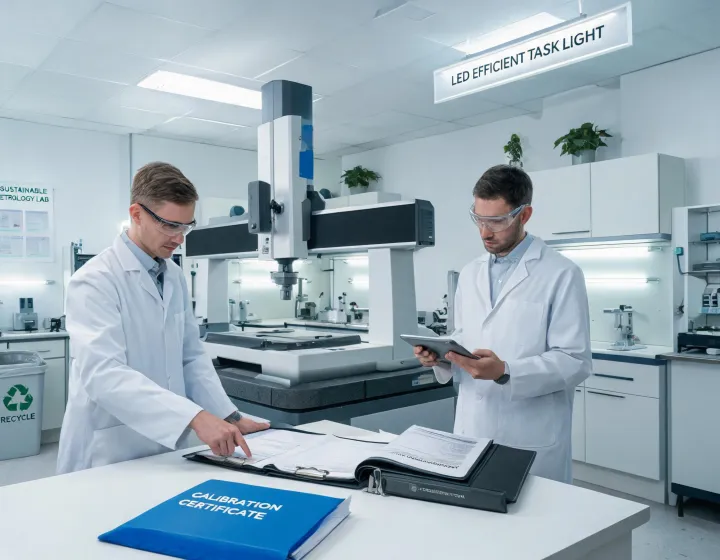
Hexagon's commitment is to reduce waste created by poor measurement decisions. A machine that is replaced too early, a fixture that creates repeatability disputes, or a calibration interval selected without evidence can all produce unnecessary cost and material loss. Sustainable practice starts with making the measurement chain understandable. When teams know which standard applies, what uncertainty is being reported, and when service is due, they can keep useful equipment in controlled operation and retire weak processes with evidence.
Goals
Repair and calibration planning keep CMMs, arms, trackers, and gauges useful when their measurement performance remains defensible.
Better fixture strategy and report language reduce part rejection caused by unclear or inconsistent inspection routines.
Planned service intervals and grouped calibration events reduce emergency shipping, repeat visits, and unmanaged downtime.
The sustainability program is measured in operating choices rather than abstract claims. Before a new system is proposed, Hexagon reviews whether the current instrument can be calibrated, repaired, or repurposed for a lower-risk inspection task. Before a part is rejected, the measurement method is examined for fixture movement, probe qualification, thermal drift, and operator variation. Before a global service plan is renewed, sites are grouped by equipment family and interval to lower unnecessary shipping. This evidence-led approach does not make sustainability louder, but it makes it harder to fake.
Standard CTA
Send the instrument list, service history, and inspection risk. Hexagon can separate equipment that needs replacement from equipment that needs a clearer control plan.
Plan the review