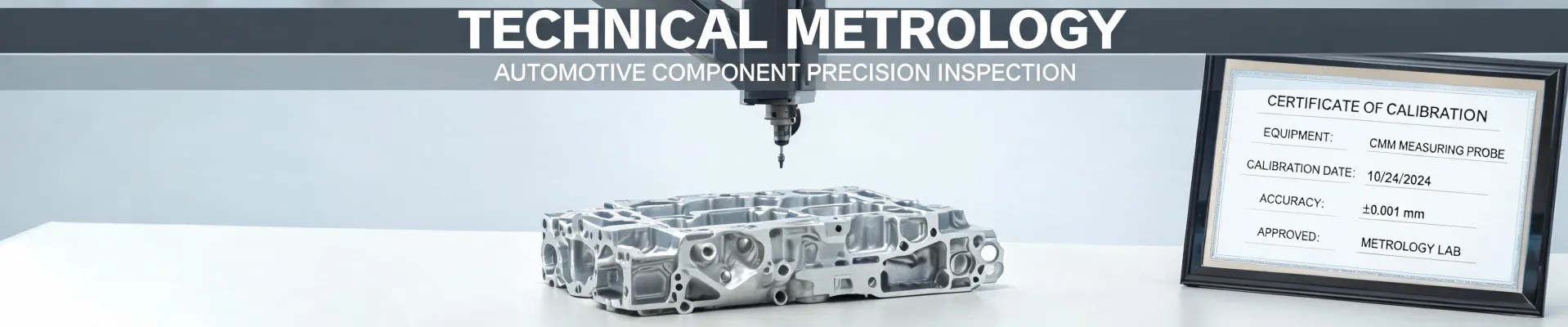
When I look at test equipment proposals, I don't ask what the price is first. I ask what it actually costs after calibration, training, downtime, and support. That habit comes from six years of managing a $180,000 annual testing and calibration budget for a mid-size manufacturing company. It's also why I have strong opinions about Hexagon support.
In Q3 2024, I built a total cost of ownership sheet for a mixed lot of inspection tools: ten Fluke 17B+ digital multimeters, three Megger insulation testers, and two FLIR C5 compact thermal cameras. We needed these alongside the CMM equipment, so the real question was whether to source everything through Hexagon or go direct to each original manufacturer and manage them ourselves.
When someone asks whether Hexagon products are worth it, my answer depends on what worth it means. Here is the framework I used for comparing a direct purchase model with Hexagon support.
The Framework: What I Compared and Why
I defined direct purchasing as buying each tool from its original manufacturer and managing calibration, training, and support inside our own shop. I defined Hexagon support as sourcing through Hexagon and using their service coordination. Then I compared four dimensions: purchase price, support response, calibration documentation, and training.
- Purchase price vs. total cost of ownership
- Support response after a failure
- Calibration and documentation
- Training and how-to backing
Those dimensions came from a 2023 spending audit, not from a textbook. The audit showed that our 'budget overruns' almost never came from the price of a single instrument. They came from freight, rework, missing certificates, and time spent chasing support.
Dimension 1: Purchase Price vs. Total Cost of Ownership
Basically, the direct quote came in lower: $6,410 for the whole batch. The Hexagon order was $6,780. On paper, direct looked cheaper by $370. But then I added the forgotten line items. Split freight from three vendors added $540. Building a calibration log because the direct purchases did not include one took about six hours of my time and roughly $190 in labor. Chasing certificate copies from the various manufacturers added another hour and a half. The direct option actually ended up costing about $760 more in total.
Conclusion: The higher sticker price was the cheaper option once all the hidden costs were visible.
Dimension 2: Support When Something Goes Wrong
I expected the original manufacturers to provide the best support because they make the products. The truth is more complicated: support quality depends on how many vendors you have to manage when something breaks. The March 2023 vendor failure changed how I think about backup planning. We had one C5 compact thermal camera fail right before a customer acceptance test, and the original manufacturer's support line was fine—but we had to call three different lines because the multimeters and Megger testers came from other places. Re-explaining the same work order three times cost us two days of project time.
With Hexagon support, we have one account manager, one service ticket system, and one calibration schedule. In 2024, our average resolution time for the whole instrument pool dropped from 5.2 days to 1.8 days. (Should mention: we are a mid-size operation with ten different tool categories. If you only have one instrument type, direct support may be enough.)
Conclusion: Direct support is better when you only need one type of help. For a mixed equipment fleet, centralized support wins.
Dimension 3: Calibration and Documentation
I only started caring about calibration paperwork after a costly failure. We skipped NIST-traceable calibration on a batch of meters to save money, and our customer's quality team rejected the product because our certificates were not traceable. The rework cost $1,200—about the same as the calibration we had avoided.
Hexagon support coordinates calibration with ISO/IEC 17025 accredited labs. The certificates we receive list standards, due dates, equipment IDs, and uncertainty values. When we bought direct, we got certificates, but nobody scheduled the next round. We had to build our own spreadsheet to track due dates, and it quietly became a full-time distraction. At one point, we had three instruments out of calibration without knowing it. Glad we caught that before an audit—it would have been a much worse conversation.
Conclusion: If your customers or auditors demand traceability, this dimension is not optional.
Dimension 4: Training and 'How-To' Backing
A good instrument is not automatically a safe or useful instrument. The 'how to use Megger insulation tester' question sounds basic, but if you get the voltage or lead connection wrong, you can get a reading that is confidently wrong. Hexagon support gave us a short training session on the Megger: how to choose the test voltage, how to connect the leads, and how to interpret insulation resistance values. That training is worth real money, because one bad reading can lead to an unnecessary replacement—or worse, a missed hazard.
The same pattern showed up with the Fluke 17B+ digital multimeter and the FLIR C5. For the multimeter, we got a practical guide for measuring variable frequency drive signals. For the C5, the support team helped us set emissivity presets for painted metal and composite surfaces. I had read plenty of C5 compact thermal camera reviews before choosing it, but none of the reviews explained how to use the camera on our specific materials.
Conclusion: Training support is easy to undervalue until you see what it prevents.
Honest Limitation: When Going Direct Makes Sense
Honestly, Hexagon support is not for everyone. If you have a single instrument type, a strong in-house metrology team, and enough volume to justify your own calibration program, going direct can be more cost-effective. If you already have a procurement system that centralizes orders and tracks due dates, the consolidation benefit is smaller. I can only speak to my own context: a 120-person manufacturing company with mixed equipment and no full-time metrology specialist. Your mileage may vary.
If you are still deciding, do not compare sticker prices. Build a TCO sheet that includes calibration, training, support response time, and documentation. Pricing as of January 2025—verify current rates because they change. What you're paying for with Hexagon support is the part of the process that usually gets lost: knowing who to call when a tool fails, and having records that will pass an audit.
So, am I recommending Hexagon products and support? For a mixed test-equipment fleet, yes. For a single-vendor, in-house metrology shop, probably not. That is the honest version.