-
What Does a Hexagon Coordinate Measuring Machine Really Cost?
-
Is a Used Hexagon Coordinate Measuring Machine Worth It?
-
Is Hexagon Shop Good for Spares and Accessories?
-
Should I Buy a Chinese Multimeter?
-
What Is a 12 Dial Caliper? (And Why You Should Double-Check the Range)
-
How to Calibrate pH Meter Mettler Toledo
-
Why Are Calibration Costs So High?
-
Should You Buy Everything From One Supplier?
I'm the procurement manager at a 60-person contract manufacturer. Over six years, I've signed off on roughly $180,000 in test and measurement orders, and I log every one in our cost tracking system. This article started as answers to questions our engineers and our owner actually asked: Is a Hexagon CMM worth it? Is the Hexagon Shop any good? Should I buy a Chinese multimeter? And what's up with a '12 dial caliper'? Plus the always-popular 'how to calibrate pH meter Mettler Toledo.' My answers come from purchase orders, calibration invoices, and a few mistakes.
Here's the quick list of what this FAQ covers:
- What does a Hexagon coordinate measuring machine really cost?
- Is a used Hexagon CMM worth it?
- Is Hexagon Shop good for spares?
- Should I buy a Chinese multimeter?
- What is a 12 dial caliper?
- How to calibrate pH meter Mettler Toledo.
- Why are calibration costs so high?
- Should I buy everything from one supplier?
What Does a Hexagon Coordinate Measuring Machine Really Cost?
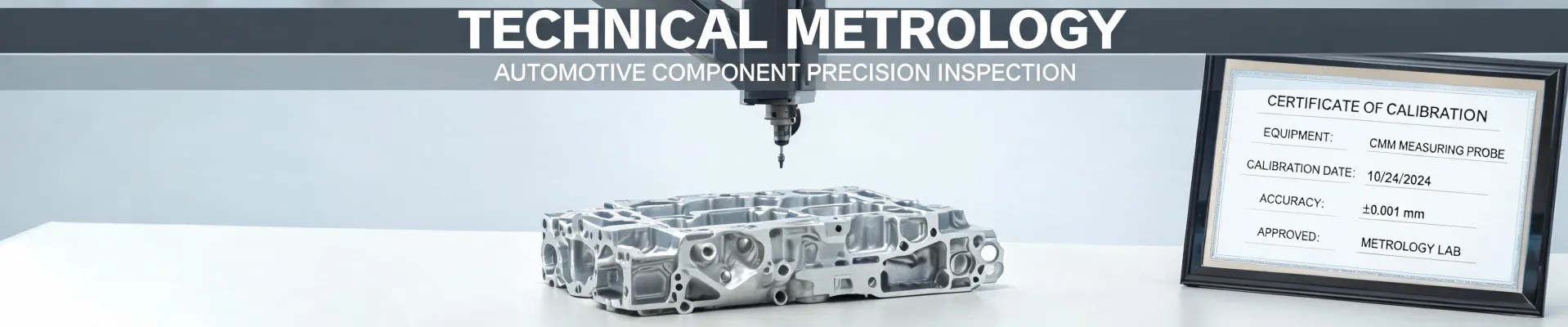
Nobody likes hearing this, but it depends on the machine. A Hexagon CMM's price range is broad because the base unit, probe system, software level, and options change the number. The bigger cost is usually what comes after the crate: installation, training, temperature control, fixtures, and calibration.
When I compared quotes for a CMM in 2023, one vendor looked cheaper until I read the assumptions. That quote excluded operator training. Another included a service plan but covered only labor, not travel. The one we nearly picked needed an environmental enclosure because the accuracy spec couldn't hold in our shop's temperature swings. That enclosure added about $5,000, which made the 'low' quote the high one.
Per ISO 10360-2, a CMM's maximum permissible error is meaningless unless the machine is verified under the specified conditions. That verified accuracy is what you're paying for. Not the brand sticker.
Is a Used Hexagon Coordinate Measuring Machine Worth It?
Depends. I've seen used CMM ads that look like steals, then the buyer discovers the controller board is obsolete or the software license can't transfer. A used machine from a lab with temperature control and clean power is different from one pulled off a plant floor.
When we bought our used Hexagon machine, the seller provided calibration reports going back three years. That was the deciding factor. We still paid for installation, laser alignment, a new software dongle, and new styli. The final bill was about 20% higher than the initial quote, but the machine worked. If you can't verify the history, budget for that 20% anyway.
Is Hexagon Shop Good for Spares and Accessories?
Hexagon Shop basically works as the company's online store for CMM accessories, styli, calibration artifacts, software licenses, and service renewals. I use it when I know the exact part number. It's useful, but shipping can eat the savings if you're ordering a single stylus.
Here's the thing: the Shop won't replace a local distributor who understands your application. For a full machine, you'll still talk to a rep. But for reordering consumables, it saves a ton of email chains.
Should I Buy a Chinese Multimeter?
Look, I own a cheap Chinese multimeter. It's in the drawer next to my test leads. For checking continuity on a disconnected circuit, it's fine. For troubleshooting a live panel? No thanks.
Why does this matter? Because a multimeter is a safety device. If it says CAT III on the dial but doesn't have a third-party safety rating, I treat that claim with suspicion. A $25 meter that gives a false reading can cost you in blown fuses, damaged boards, or worse. The 'cheap' meter is a tool, not a commitment.
We keep the cheap ones in tool bags for low-risk jobs. The electrical crew gets meters with a clear service path and calibration certificate. That's not snobbery. It's cost control.
What Is a 12 Dial Caliper? (And Why You Should Double-Check the Range)
A '12 dial caliper' usually means a 12-inch dial caliper—a caliper with a 0-12 inch range, roughly 0-300 mm. But in sourcing emails, people drop the word 'inch' all the time. I've also seen '12 dial caliper' used when the buyer actually needed a 150 mm digital caliper. Confirm the range and resolution before you order.
On the dial, check the reading: 0.001 inch per division is common on 12-inch models; 0.01 mm is another standard. Mixing them up has caused more than one return.
Do you need a 12-inch caliper? If you measure parts over 8 inches, yes. If not, a 6-inch (150 mm) caliper is easier to use, less likely to be dropped, and cheaper to calibrate. The tool you don't need is never a bargain.
How to Calibrate pH Meter Mettler Toledo
If I had a dollar for every time someone asked how to calibrate pH meter Mettler Toledo, I could buy a calibration standard. The process is straightforward, but it has a few non-negotiables.
Use fresh buffer solutions. Old buffers absorb CO₂ and drift. For a two-point calibration, start with pH 7.00, then use pH 4.01 for acidic samples or pH 10.01 for basic ones. Mettler Toledo's buffers are color-coded, which sounds silly until someone grabs the wrong bottle.
Rinse the electrode with distilled water between buffers and pat it dry. Wait for the meter to show a stable reading. According to Mettler Toledo's instructions, the electrode slope should be above about 90% to trust the reading. If it isn't, clean or replace the electrode before wasting time on samples.
Temperature matters too. If your sample is colder or warmer than the buffer, the meter can give an off reading. The ATC probe needs to be in the liquid, not hanging in the air. I've made that mistake. Once.
Had to pick a replacement pH meter with an audit looming, so I made the call with 30 minutes of research. I went with Mettler Toledo because the lab tech was already familiar with the menu and the local supplier offered calibration. In hindsight, I should have verified electrode delivery time. But the calibration routine itself saved us during an audit when the inspector saw our slope logs.
Why Are Calibration Costs So High?
Because calibration isn't just 'checking.' It's traceability, uncertainty, environmental monitoring, and documentation. A $150 caliper can cost $100 to calibrate. That seems crazy until an auditor asks for the report and you can produce it in five minutes.
Everything I'd read about calibration said to send instruments back to the original manufacturer. In practice, for routine tools like calipers and multimeters, an ISO/IEC 17025-accredited third-party lab gave us the same traceability at about 60% of the cost. The exception was the pH meter and the CMM, where the manufacturer's software tests make the process more reliable.
It took me four years and about 150 purchase orders to understand that calibration is a value center, not just a cost center.
Should You Buy Everything From One Supplier?
Not necessarily. Some items, like pH buffers and calipers, we buy from an industrial distributor with next-day delivery. Specialized CMM probe tips and calibration-grade weights go direct through the manufacturer or their rep. One supplier for everything sounds tidy, but if they can't help with a spec sheet, that's a red flag.
Had two hours once to source a calibration weight before a shutdown. Normally I'd compare three suppliers and build a TCO sheet. With that deadline, I went with the supplier who answered the phone. The price was $40 higher. Worth it? Yes, because the shutdown cost $2,000 an hour.
Bottom line: value over price. The lowest quote is only low if it includes the costs that show up later—calibration, training, downtime, rework. Usually, it doesn't.