-
Why This Checklist Exists
-
Step 1: Start at the Official Source
-
Step 2: Nail Down the Exact Specification
-
Step 3: Check the Condition of Your HPLC Column Before Assuming You Need One
-
Step 4: Check Availability and Shipping Realities
-
Step 5: Choose the Right Fulfillment Option
-
Step 6: Confirm Your Order—Don't Just Trust the Cart
-
What Can Go Wrong (and How to Prevent It)
Why This Checklist Exists
You've just discovered the mini multimeter your techs use is dead. Or maybe your Agilent HPLC column is packing up, and you have a lab audit in 72 hours. You don't have time to read 20 vendor reviews or compare shipping policies. You need the right instrument, from a source you can trust, with as little friction as possible.
I coordinate rush orders for a living. I've handled 200+ emergency fulfillment situations over the past five years, including same-day turnarounds for manufacturers, calibration labs and medical device companies. This is the exact process I follow when I need something fast from a major supplier like Hexagon.
Step 1: Start at the Official Source
Go directly to Hexagon's official website (hexagon official homepage) instead of typing the product name into Google and clicking the first shopping link. I learned this the hard way: once, an engineer ordered a portable CMM from a third-party reseller that looked official. It turned out to be a scale model. We lost two days.
Checkpoint: Verify you're on hexagon.com or a region-specific official subdomain. Look for the business registration and contact info at the footer.
Step 2: Nail Down the Exact Specification
Searching mini multimeter on the site is fine, but don't just pick the cheapest one. You need to match the instrument to the environment.
- What is the highest voltage you'll measure? This determines the CAT rating.
- Do you need data logging? Some mini units don't have a USB output.
- What about accuracy? For troubleshooting, 0.5% may be fine; for calibration, you need better.
Most people ignore the environmental question. That's a mistake. A multimeter that's fine on a workbench can be useless in a humid factory.
Step 3: Check the Condition of Your HPLC Column Before Assuming You Need One
This might sound weird coming from a logistics guy, but hear me out. When the HPLC pressure rises or peaks start tailing, the natural reaction is to order a new column. But not every symptom means the column needs replacing. Sometimes it's a frit blockage or a mobile phase issue.
Agilent's official guidance suggests monitoring these key signs before replacing: backpressure increase above 10% of baseline, tailing factor > 1.5, or a theoretical plate number below your method's acceptance criterion. That's when you change your columns for HPLC Agilent systems.
Instead of paying $400+ for a new column overnight, spend 15 minutes checking the symptoms. This is the step everyone forgets, but it can save the whole order cycle.
Step 4: Check Availability and Shipping Realities
On Hexagon's official product pages, you'll usually find a lead time. Don't trust it blindly. Call or chat with a rep to confirm inventory.
In my experience, the estimated delivery on the product page can be overly optimistic for items drop-shipped from a different warehouse. I once paid for rush shipping on a thermal imager, only to find it had a 5-day build time. Not helpful.
Checkpoint: Before checkout, ask for the ship date in writing. If they say will ship next business day, that's different from delivers in 2 days.
Step 5: Choose the Right Fulfillment Option
Most people click the fastest shipping option. That's sensible, but also check:
- Can you split the order? If only one item is urgent, ship that separately and standard ship the rest.
- Is ground shipping actually faster than air for a nearby warehouse? Yes, sometimes.
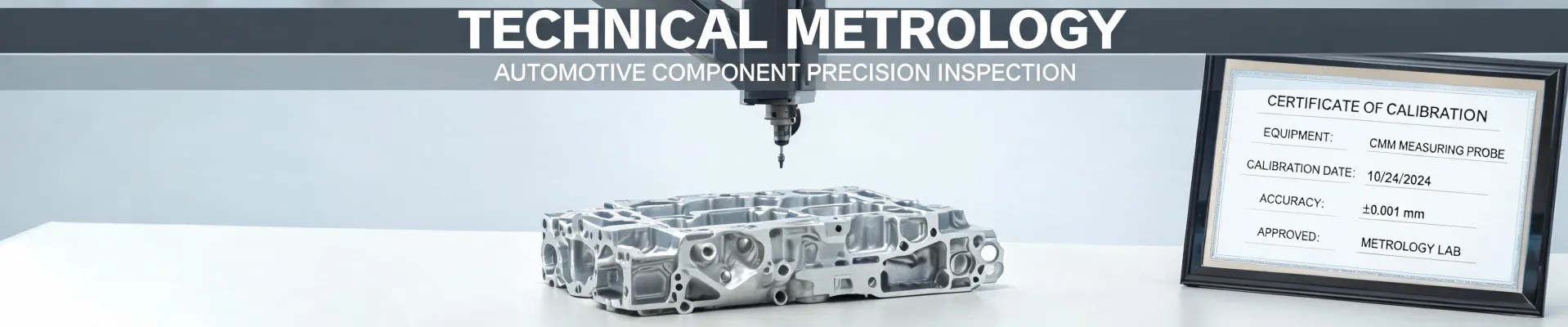
- Do you need calibration before it ships? Hexagon offers pre-shipment calibration for CMMs and many instruments. Don't skip it for a rush order — a non-calibrated instrument is a liability.
One trick: when I'm in a time bind, I ask for the certificate of calibration to be emailed separately while the hard copy rides along. This lets us start internal procedures before the paper arrives.
Step 6: Confirm Your Order—Don't Just Trust the Cart
Complete the checkout, but then verify the order confirmation email. This is the step where things frequently slip. I've had order numbers generated but the invoice failed to process, leaving the order in limbo.
If you need genuinely fast delivery, call the after-sales line immediately after ordering. Have your order number ready. Confirm that the ship-in-full date is acceptable. Last quarter, our client's $50,000 penalty clause was avoided because we caught a missing line item during that call.
What Can Go Wrong (and How to Prevent It)
Here are the mistakes I see regularly:
- Prioritizing the cheapest source over a reliable one. The $45 generic multimeter can produce a bad reading that leads to a $5,000 rework. The brand name matters when you are presenting results to a customer.
- Assuming aftermarket parts are as good as original ones. I've only worked with a few industries, but the pattern is constant: OEM consumables almost always outperform no-name equipment in real-world tests.
- Ordering at the last minute without confirming the delivery address. It sounds obvious, but in a panic, people enter the wrong receiver or forget the building's receiving dock.
I'm not a chromatographer, so I can't walk you through method development. But from the procurement side, I've seen proper column care and genuine columns make the difference between a smooth audit and a dry-lab nightmare.
Remember, the cheapest option often isn't the most cost-effective. A $1,200 instrument that works reliably and comes with official calibration support is worth more than a $500 unit that fails during a customer demonstration. The quality of the equipment you install reflects directly on your brand.
Next time you're in a crunch, slow down for 10 minutes, follow this checklist, and you'll avoid most of the stress I've had to deal with.