-
1. I need a Hexagon CMM verified by tomorrow morning. Is that even possible?
-
2. Which Hexagon products are actually worth adding to a rushed test lab?
-
3. How to use VHX digital microscope under a tight deadline?
-
4. Is the Fluke 114 multimeter good enough for industrial troubleshooting?
-
5. How to use Eppendorf repeater pipette when you're running a rushed protocol?
-
6. What's the most overlooked step in emergency equipment setup?
-
7. Should I rent or buy for a one-time urgent measurement job?
-
8. Do I really need a calibrated instrument for a quick internal check?
I coordinate rush orders for a living. Not the 'please ship this faster' kind—the 'our line goes down in 36 hours and we need a certified measurement solution or we're looking at a serious penalty' kind. Some of these look like equipment questions. But if you've been doing this long enough, you know they're really risk-management questions. The answers below are the ones I give when the clock is running and the equipment can't wait.
1. I need a Hexagon CMM verified by tomorrow morning. Is that even possible?
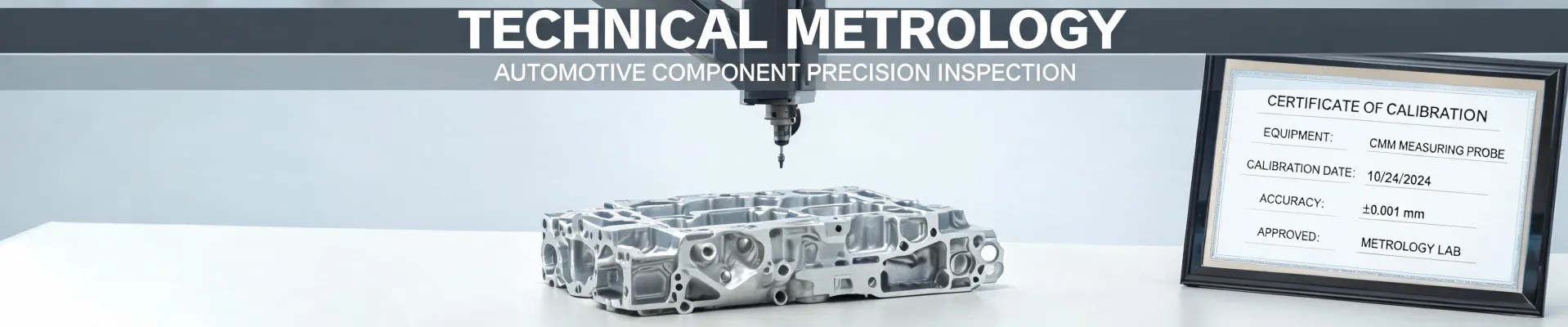
Yes, but only if you're flexible about what 'verified' actually means. A full ISO 10360-2 verification needs a calibrated artifact, a temperature-controlled environment, and normally 1-2 days. I've had it done in 24 hours with a local accredited lab, but the premium was steep. In March 2024, we booked a same-day CMM verification for a client at 4pm. The lab was already on site, so it worked. If you're not that lucky, ask about a partial verification—like a volumetric test—and make sure the paperwork matches what your auditor expects. I might be misremembering the exact figure, but the expedited service ran around $2,800. Honestly, the real fix is prevention: we now build a 48-hour buffer into any schedule that touches a CMM. Five minutes of verification beats five days of correction.
2. Which Hexagon products are actually worth adding to a rushed test lab?
For dimensional work, Hexagon CMMs—the fixed bridge ones—are honestly the gold standard if you have the space and time. But for an emergency, a portable arm or laser tracker gets you measuring in under an hour, with no climate-controlled room required. The tradeoff is accuracy: a fixed CMM still wins for tight tolerances. Hexagon products also cover electrical and imaging needs, and the portfolio includes instruments from the brands you already trust. If you're evaluating Hexagon products, pay less attention to the hardware spec and more to the calibration network. In my role coordinating service for industrial labs, a product is only useful if you can get it certified on your timetable. The equipment is nothing without the documentation behind it. Also, think about training: even the best portable CMM is useless if nobody on your team can run it. We always confirm that before we commit to a delivery date.
3. How to use VHX digital microscope under a tight deadline?
The first thing to do: skip the manual and use the auto-setup feature. The VHX digital microscope has a quick-start mode that handles white balance and exposure automatically. If you're inspecting a rough surface, turn on depth composition—it stacks focus from multiple heights and saves you from re-shooting the same part five times. People assume higher magnification is better for quick checks. What they don't see is that depth of field and lighting are usually the real bottleneck. I wasted 40 minutes once because I kept zooming in instead of adjusting the ring light. (Should mention: save a preset for each common product. For us, that makes the next job about 90 seconds faster.) If the interface feels overwhelming, set the small things first—brightness, contrast, scale—and let the software do the rest. The image quality is good enough for most QC reports, and the software can export directly to PDF, which saves another step.
4. Is the Fluke 114 multimeter good enough for industrial troubleshooting?
It depends. In my experience, the Fluke 114 multimeter is fine for most voltage, continuity, and resistance checks on control panels and motors. According to Fluke's spec sheet, AC voltage accuracy is +/- (1% + 1), which is plenty for finding a dead leg or a shorted heater. But it doesn't measure current. If you need amperage—like checking a pump motor's draw—you'll need a clamp meter or a different model. The 114 is basically a first responder: reliable, quick, safe. The problem is when someone treats it as a complete toolbox. For emergency work, I'd rather have one meter I know and trust than three I'm not sure about. Oh, and check the leads. I've seen a $40 meter cost a $400,000 production line a full day of downtime because the test lead was cracked.
5. How to use Eppendorf repeater pipette when you're running a rushed protocol?
This one trips people up. To use Eppendorf repeater pipette correctly, attach a tip, set the dispense volume, and prime it two or three times with the liquid you're actually going to dispense. That step feels like a waste of precious minutes, but skipping it is why the first well comes up half-empty and you have to redo the whole plate. The manual itself recommends priming—it's not just a habit. Also, keep the pipette vertical during dispensing and use a fresh tip when the liquid type changes. In my experience, that 15-second prime saves a 45-minute repeat by the end of a batch. That's the prevention-over-cure thing again: consistent technique beats fixing inconsistent data afterward. If you're teaching someone else, watch them prime the first tip. It's the step everyone promises they did but somehow skips.
6. What's the most overlooked step in emergency equipment setup?
Documentation. From the outside, an emergency setup looks like install, power on, calibrate, go. The reality is that auditors and QC reviewers care just as much about traceability as they do about data. A calibration certificate with an expired due date is basically a failed audit. We once had a customer who got the equipment running in record time, but the certificate didn't match the instrument serial number. That was a $12,000 problem—the delay cost us the client's trust, though we avoided a penalty clause with an overnight re-cert. Since then, our policy is check the cert before you look at the power cord. Which, honestly, should be common sense. But in a rush, common sense takes the first coffee break. It's not about distrusting the equipment; it's about making sure the paper trail matches the machine in front of you.
7. Should I rent or buy for a one-time urgent measurement job?
If the job is genuinely one-time, rent. A calibrated portable CMM rents for roughly $800-$1,500 per day depending on the model and sensor package (based on quotes from major rental companies, January 2025; verify current pricing). Buying a new one is a six-figure decision that needs an ROI case, not a deadline. That said, make sure the rental includes a current calibration certificate and the software license. We lost a day once because the rental brought the hardware but the software dongle was on another truck. If I remember correctly, the overnight shipping cost an extra $400, but the rental itself saved us from an $80,000 purchase. Bottom line: rent the equipment, but verify the paperwork before it leaves the depot. Also, have the rental company email you a copy of the certificate before you pay; it's easier to fix a mismatch at five in the afternoon than at seven in the morning.
8. Do I really need a calibrated instrument for a quick internal check?
If the data is only for your own gut check, maybe not. But if anyone—a supervisor, a customer, an auditor—is going to see the number, then yes. A 'quick check' on an uncalibrated tool can lead to a wrong adjustment, which then costs hours or days to undo. In my experience, the unplanned repeat work from bad initial readings is what creates real emergencies in the first place. The conventional wisdom is that you need accuracy. My experience with hundreds of rush jobs suggests you need confidence first—and confidence comes from knowing the instrument was verified recently. That's the prevention thing again: a 10-minute zero check and a current certificate are the cheapest insurance you'll ever buy.